Torrance Water Rescue · Water damage repair
Water Damage Repair in Torrance, CA
Last updated: November 13, 2026
Water damage restoration in a Torrance home is inspection, water removal, drying, and cleanup after a leak or flood. Torrance Water Rescue lines up the whole job for your home, and the line is open 24/7. Call now.
Call Torrance Water Rescue now and we will line up a local restoration pro who can inspect the house and carry out the repair. Category 1 is clean water from a supply line. Category 2 is a bit dirty. Category 3 is sewage or flood water from outside.
The first thing a pro asks is where the water came from, because clean water, dirty water, and sewage each need different work.
Water damage repair is what a local pro does after a leak or flood. The steps are inspection, water removal, drying, and cleanup. The category of the water, clean supply water, gray water, or sewage, changes how much of that process a Torrance house needs.
Key takeaways
- Shut off the water and stay clear of wet electrical areas first.
- Clean water, dirty water, and sewage each get cleaned up in a different way.
- The EPA says to dry wet materials within 24 to 48 hours to limit mold.
- Torrance Water Rescue lines up a local restoration pro for your home.
This page is the repair process and the water categories. For water damage restoration Torrance, start on the Torrance page.
Free call. Torrance Water Rescue picks up 24/7.
All servicesTorrance Water Rescue: local to Torrance, focused on homes, open 24/7.
Phone lines: Open 24/7
For homeowners and their houses.
Water Damage Restoration Help in Torrance
A burst pipe, a leaking line, or an overflowing fixture has soaked your walls, floors, or cabinets. Water is still spreading, or things are staying wet.
Water Damage Restoration in Torrance, CA: What It Covers
Restoration is the whole job of getting wet parts of a home dry and clean again. A local pro looks at the damage and removes standing water. Then the pro sets up fans and dehumidifiers and cleans what the water touched. The goal is to stop the spread of moisture and address the affected areas of your home, not to repair the plumbing that caused it.
What to do first
Keep yourself safe, then call Torrance Water Rescue. We take it from there with you.
Shut off the water
Turn off the main water supply to stop the leak or flood from spreading.
Cut power to wet areas if safe
If it is safe, switch off the breaker to any outlet, appliance, or fixture in the wet area.
Take photos
Photograph the water, the wet walls and floors, and the source for your records.
Call
Call Torrance Water Rescue and tell us what you see. We map out the next step with you.
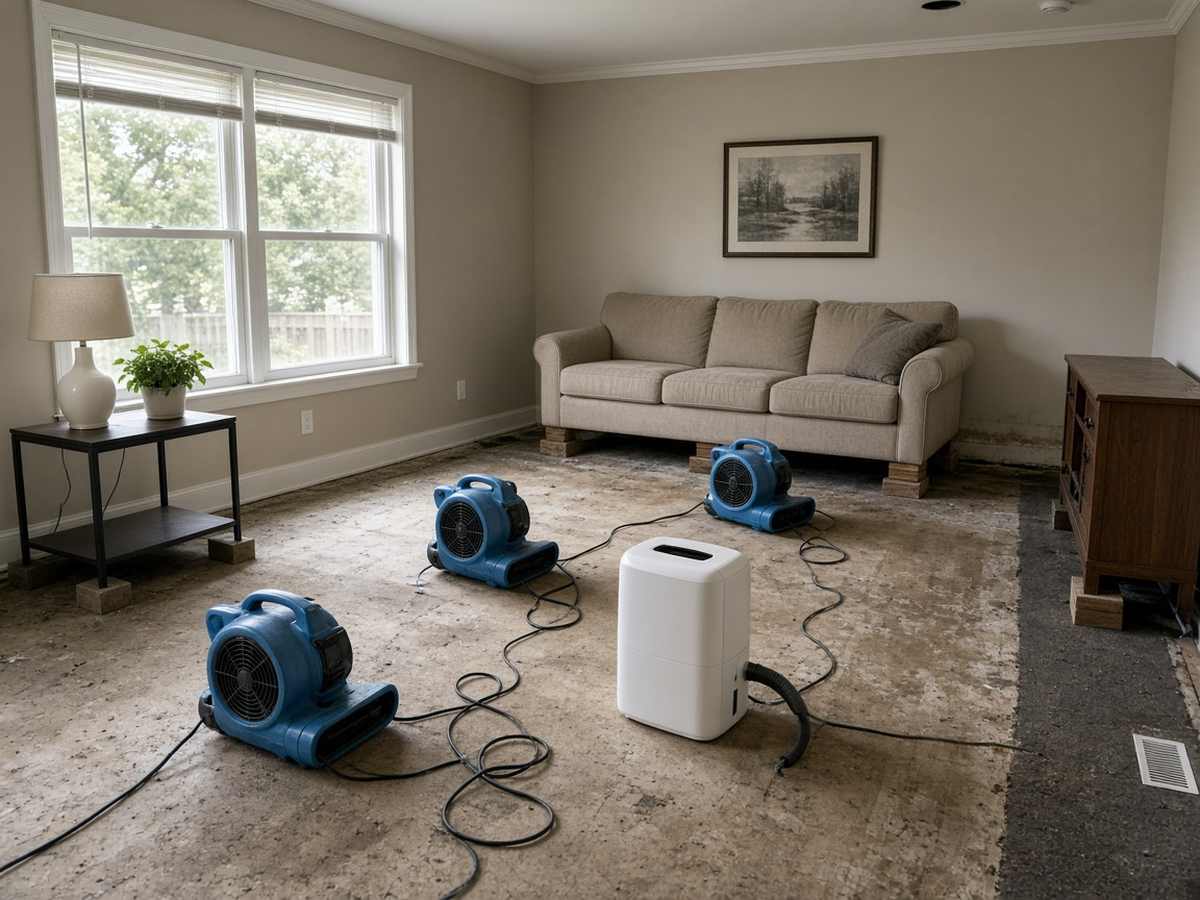
The Water Damage Restoration Process in Torrance
What a local pro does, step by step.
- 1
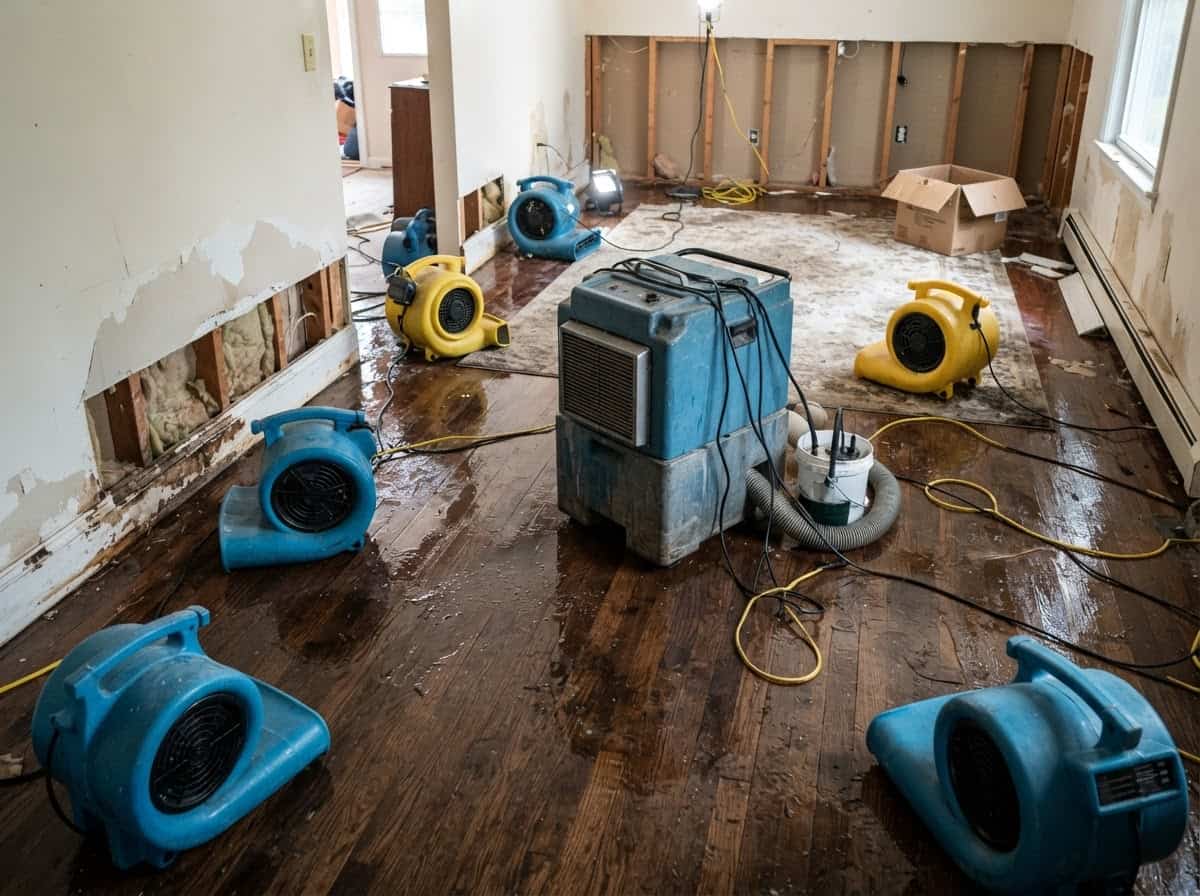
Inspection, a restoration pro assesses the water source, the extent of the damage, and which materials are wet.
- 2
Water extraction, standing water is removed with pumps and vacuums so drying can begin.
- 3
Structural drying, fans and dehumidifiers dry wet walls, floors, and cavities over time.
- 4
Cleaning. The pro cleans what got wet and gets the room ready for any repairs.
What does water damage restoration cover in a Torrance home?
Water damage restoration is the full set of steps that gets a wet Torrance house dry, clean, and safe again. It is not one step, and it is not plumbing. The leak gets fixed first. Then restoration deals with everything the water touched. A local pro walks through the wet rooms and finds how far the water went. Then the pro removes water, dries, and cleans, in that order. The goal is to keep water from spreading into walls and under floors, where it can hide and cause more damage.
For a Torrance homeowner, restoration usually starts the moment standing water is noticed or a wet wall is found. Most homes here sit on concrete slabs. Water on the floor has no crawlspace to drain into. It spreads along the slab, under cabinets, and into the bottom of walls. So the pro maps the wet areas, removes the water, and sets up fans and dehumidifiers to pull the water back out. The work goes step by step. Rushing it leaves damp spots that can show up later as warped floors or a musty smell.
Restoration also covers what the water reached. The pro checks carpet, pad, wood floors, drywall, baseboards, and cabinets. Some things can be dried where they are. Others may need to come out, especially soft materials that soaked up dirty water. A restoration pro explains what can be saved and what should come out, and the homeowner decides how to proceed. The focus is getting the wet areas dry and clean. Rebuilding is a separate job that comes after.
How do inspection, extraction, drying, and cleaning work?
The inspection step is where a restoration pro builds a clear picture of the damage. The pro uses a moisture meter and a heat camera. They show how far water climbed the drywall, how deep it went into the floor, and whether it got behind a wall or under a cabinet. On a slab, the pro also checks the rooms next door. A leak under a kitchen cabinet can reach a hallway or bathroom without anyone seeing it. The inspection produces a scope, a map of what is wet and what needs drying, that guides every step that follows.
Water extraction comes next and is the most physically urgent step. Pumps and wet vacuums remove standing water. A pro may also use a heavy tool that presses water out of carpet and pad. The goal is to get most of the water out soon. Every hour it sits, it soaks deeper and makes drying harder. This matters a lot on a slab. The water has nowhere to go but into the walls and floors. Getting it out early means less drying later.
Structural drying is the longest phase and the one most homeowners underestimate. Fans blow dry air across wet surfaces and into walls. Dehumidifiers pull that water out of the air so it does not soak back in. The pro comes back over several days to take readings. Fans get moved to the spots that are still wet. Dry to the touch is not the same as dry. Drying is done when the readings are back to normal for the house. Stopping early is the most common cause of secondary damage like warped flooring or lingering odor.
Cleaning is the final restoration step. Surfaces, belongings, and the air in the wet rooms get cleaned. This matters most when the water was dirty. Porous materials that cannot be safely cleaned may be removed and bagged. Then the room is ready for any repairs, like new drywall or flooring. Those are done by other trades. By the end of cleaning, the affected areas of the home are dry and clean, and the structure is stable enough to move into the repair phase.
Sources: EPA: dry water-damaged areas and items within 24-48 hours to help prevent mold · IICRC S500 water damage restoration standard
What affects the cost of water damage restoration in Torrance?
A local pro sets the price after seeing the house. These are the factors that shape the scope of work, no dollar amounts are promised here.
| Factor | What it means | Why it matters |
|---|---|---|
| Category of water | Clean water from a pipe, gray water from an appliance, or black water from a sewer. | Black and gray water require more cleaning and sanitizing, which raises the scope of work. |
| Area affected | How many rooms, walls, and floors are wet, and how far the water has spread. | Larger affected areas mean more drying equipment and more time on site. |
| Materials involved | Drywall, wood flooring, carpet, cabinets, and contents that are wet. | Porous materials absorb water and may need removal or specialized drying. |
| Drying time | How long the home needs fans and dehumidifiers running before it is dry. | Longer drying times mean more equipment days and more monitoring. |
What are Category 1, 2, and 3 water?
Restoration pros sort water into three categories that describe how clean it is and how much cleaning the affected areas need. The type of water shapes the whole job, so the pro checks it first. Knowing the types explains why two floods that look alike can need very different work.
| Category | What it means | Examples |
|---|---|---|
| Category 1, clean water | It is the least risky. But if it sits, it picks up dirt and becomes Category 2. So it still needs to come out soon. | Water from a clean source like a supply line or a burst pipe carrying fresh water. |
| Category 2, gray water | It can make people sick. It needs more cleaning, and some soft materials may have to go. | Water with some contamination, such as from a washing machine, a dishwasher, or a clean toilet overflow. |
| Category 3, black water | It is the most risky. It needs the most cleaning, a sealed-off work area, and often removal of soft materials it touched. Personal protection is used during this work. | Heavily contaminated water from a sewer backup, a flooded drain, or outside flood water. |
Source: IICRC S500 standard · IICRC Category 3 definition
A category can rise over time. Clean water that sits for a day or more can turn into Category 2 as it picks up dirt. That is one more reason to get water out early. The sooner it is gone, the simpler the job. A Torrance restoration pro confirms the category on site and explains what it means for the cleaning and drying of your specific home.
How should a homeowner document water damage for insurance?
Good records help you talk with your insurer, even if you never file a claim. The general approach is to record what happened, what was wet, and what was done, in that order, and to keep it organized. We do not promise how your insurer will decide, and we do not bill insurance for you. These are general tips, not a promise of coverage.
- Photograph before anything moves. Take wide shots of each affected room and close-ups of the water source, wet walls, and damaged materials before extraction or removal begins. These "before" photos are the clearest record of the initial damage.
- Note the source and timing. Write down what caused the water, when you first noticed it, and how long you believe it had been there. The category of water and the length of time it sat both affect how a claim is evaluated.
- Keep the restoration pro's moisture readings. Ask the restoration pro for their moisture readings and drying logs. These document how wet the materials were and how long drying took, which supports the scope of work.
- Save removed materials and receipts. Keep a sample of removed materials if possible, and save all receipts and invoices for the restoration work. Photograph items that are discarded if they cannot be kept.
- Contact your insurer promptly. Many policies ask that water damage be reported quickly. Read your policy or call your agent to learn what it covers. Coverage depends on the policy and the cause.
These are general tips only. Coverage and deductibles depend on your policy and the cause. A slow leak may be treated differently from a sudden one. Your policy and your insurer have the final word. Do not wait on an adjuster to start drying, because waiting lets the damage grow.
How does Torrance housing change a restoration job?
The way Torrance homes are built changes how water spreads. Much of the city's single-family stock was built in the post-war decades on concrete slab foundations, meaning there is no crawlspace beneath the floor. In these homes, water does not drain down. It spreads along the slab, under cabinets, and into the bottom of walls in the next room. A restoration pro checks well beyond the obvious wet spot, because the visible water is often only part of the affected area.
Older supply lines are a common source of leaks in these homes. Old steel and copper pipes can get pinholes or fail at a joint. It often starts slowly, behind a wall or under the slab. The first sign may be a damp spot or a warm floor, not a gush. A slab leak is a pipe leaking under the concrete floor. It is common in older South Bay homes. Look for warm spots, a meter that keeps moving, or damp carpet. Restoration after a slab leak includes drying the slab and the flooring above it once the leak itself is repaired.
Coastal humidity is the third factor. Torrance is close to the coast, so the air is more humid than inland. Things dry slower on their own, so dehumidifiers do more of the work. The pro plans for that humid air when choosing how many machines to use and how long to run them. Slabs, old pipes, and damp air mean the job is about finding hidden water as much as removing the water you can see.
Which part of Torrance does Torrance Water Rescue cover?
Torrance Water Rescue serves homeowners across all of Torrance from our base at 350 Crenshaw Blvd, Suite A210. The map pin below shows where we are.
Torrance Water Rescue, 350 Crenshaw Blvd, Suite A210, Torrance, CA 90503.
Open Torrance Water Rescue in Google MapsCommon Causes of Water Damage in Torrance Homes
- A burst supply line under a sink or in a wall
- A failed water heater leaking from the tank or connections
- A washing machine hose that burst or worked loose
- An overflowing tub, sink, or toilet in the home
- Rain or roof water that entered through a leak during a storm
Signs You Need Water Damage Restoration in Torrance
- Standing water or puddles that are not draining away
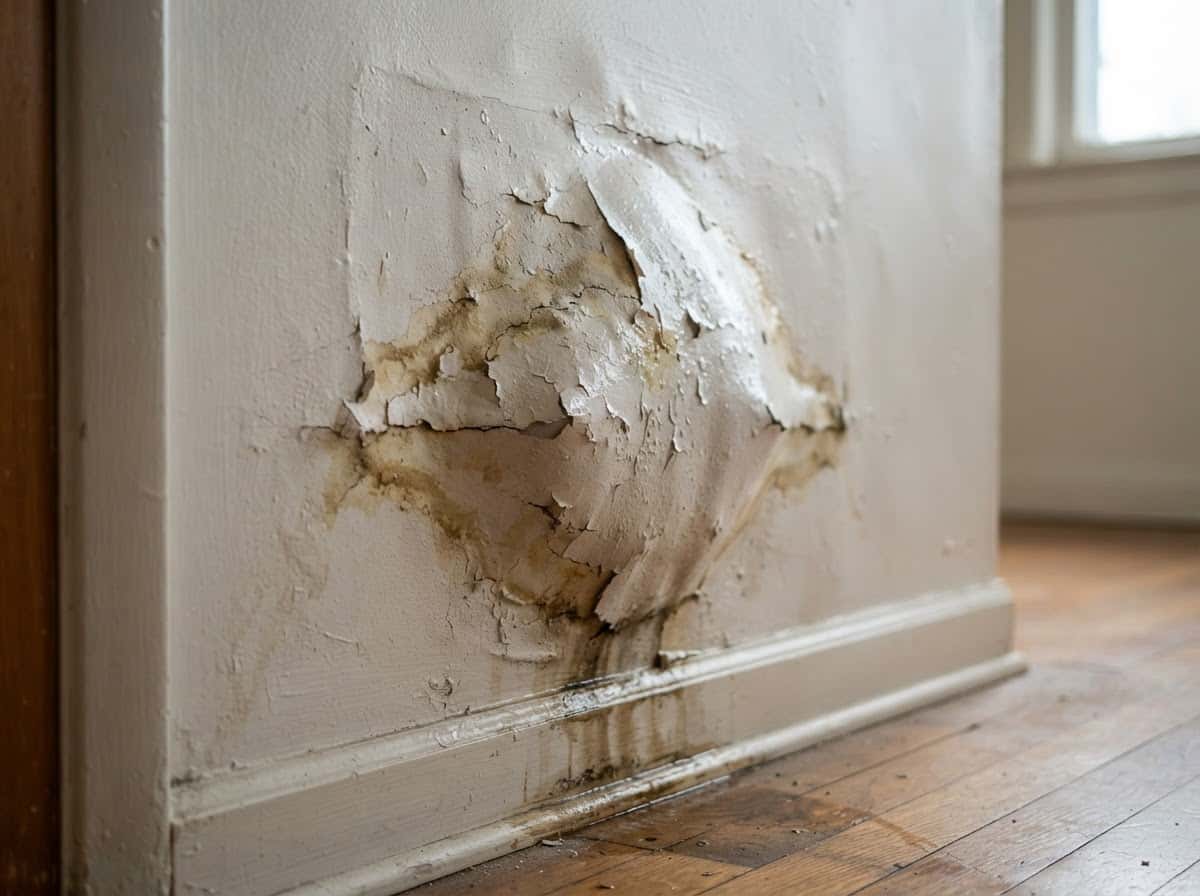
- Wet, soft, or discolored drywall on walls or ceilings
- Damp, musty, or humid air in the affected rooms
- Flooring that is warping, buckling, or feels spongy
- A water meter that keeps moving when fixtures are off
Why do Torrance homeowners call Torrance Water Rescue?
Torrance homeowners call Torrance Water Rescue because we are local, we answer 24/7, and we explain every step.
- A real answer on the first call, 24/7.
- A clear plan for your home, explained in plain words.
- No cost to call Torrance Water Rescue.
Before work starts, ask the restoration pro for a CSLB license number and proof of insurance. Torrance Water Rescue will tell you how to check both. This site does not publish review scores.
Water Damage Restoration Torrance FAQ
How to price water damage restoration?
The price depends on how big the wet area is, how much water there is, how long things have been wet, and what drying and cleaning it takes. A real price comes after someone sees the house. We do not promise a fixed price over the phone; a local restoration pro assesses your home and gives you pricing for your situation.
What are the stages of restoration?
Restoration has four steps: inspection, water removal, drying, and cleaning. First the pro checks the damage and the source. Then standing water comes out. Fans and dehumidifiers dry what is wet. Last, the area is cleaned and made ready for repairs.
What is the difference between water remediation and restoration?
Remediation means removing the water, drying, and cleaning up germs. Restoration is the bigger job of putting the house back the way it was. It can include repairs. The two terms are often used together because remediation is the early part of a full restoration.
Is an HOA responsible for water damage?
It depends on your HOA rules and where the damage is. Often the HOA covers shared parts and the owner covers the inside of the home. Every HOA is different. Check your HOA papers or ask the HOA. Either way, drying should start right away.
Related questions are on the FAQ page.
Before you call: straight answers
Who answers the phone?
A virtual assistant answers every call, 24/7. It asks where the water is, how long it has been there, and whether you own the house. Then it passes your details to an independent local restoration pro.
Will I get a price on the phone?
No. A local restoration pro gives you a price after seeing the house. The call itself is free.
Do I have to hire the pro you connect me with?
No. You hear the price first, and then you decide. Any contract is between you and that pro.
Is the pro licensed?
Licensed, insured local pros. Ask for the CSLB number. You can look it up at cslb.ca.gov before work starts.
Will you deal with my insurance company?
No. We do not bill insurers or handle claims. The pro can give you photos, readings, and drying records for your claim.
Do you fix the leak too?
Fixing a pipe is a plumber's job. The restoration pro removes the water, dries the house, and cleans up.
How soon can someone come out?
We do not promise an arrival time. It depends on which local pros are free when you call.
Phone lines: Open 24/7
Water Damage Restoration for your home
If water is getting into your Torrance house, one call to Torrance Water Rescue gets help started.
Call nowFor homeowners and their houses.